GEC-ESTRO 2026 19th – 20th November 2026 | Seville, Spain
https://www.arianemedicalsystems.com/wp-content/uploads/2026/04/Screenshot-2026-04-20-at-10.41.01.png6981624Ariane Medical Systemshttps://www.arianemedicalsystems.com/wp-content/uploads/2019/10/logo.pngAriane Medical Systems2026-02-12 10:37:342026-04-21 10:39:31Forthcoming Events
New Commercial Partnership Established in India Ariane Medical Systems in Mumbai
Ariane Medical Systems is pleased to announce a new commercial partnership in India, working alongside Venkatesan KS from Leo Medical.
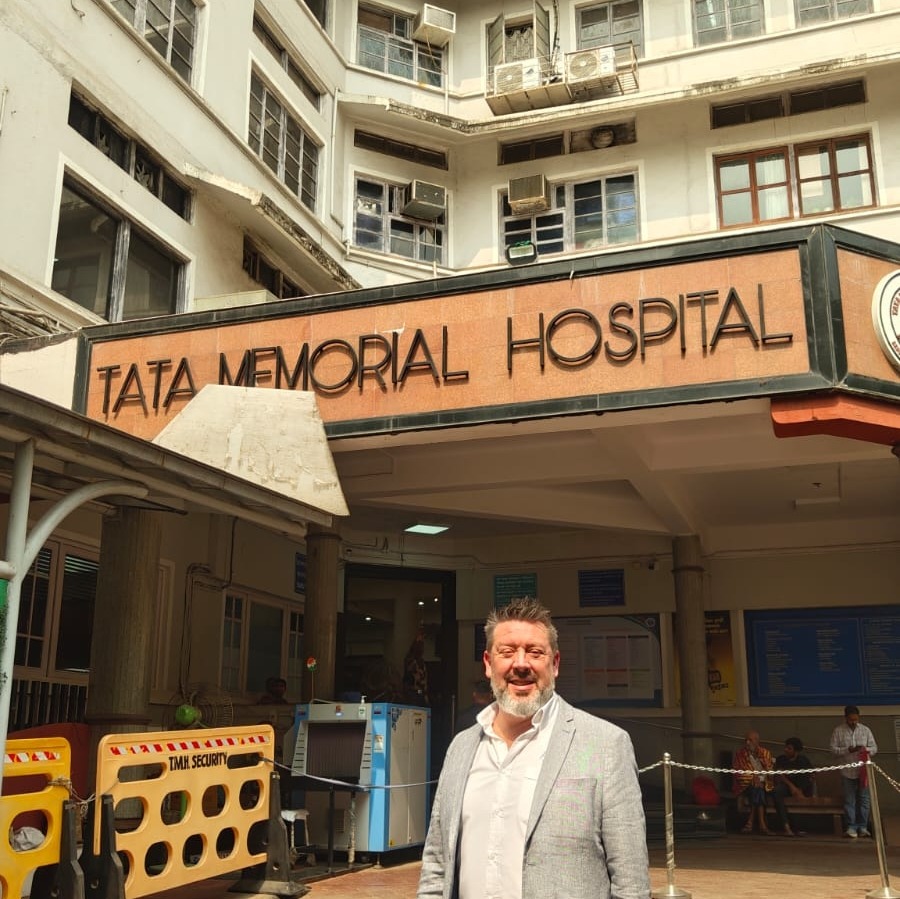
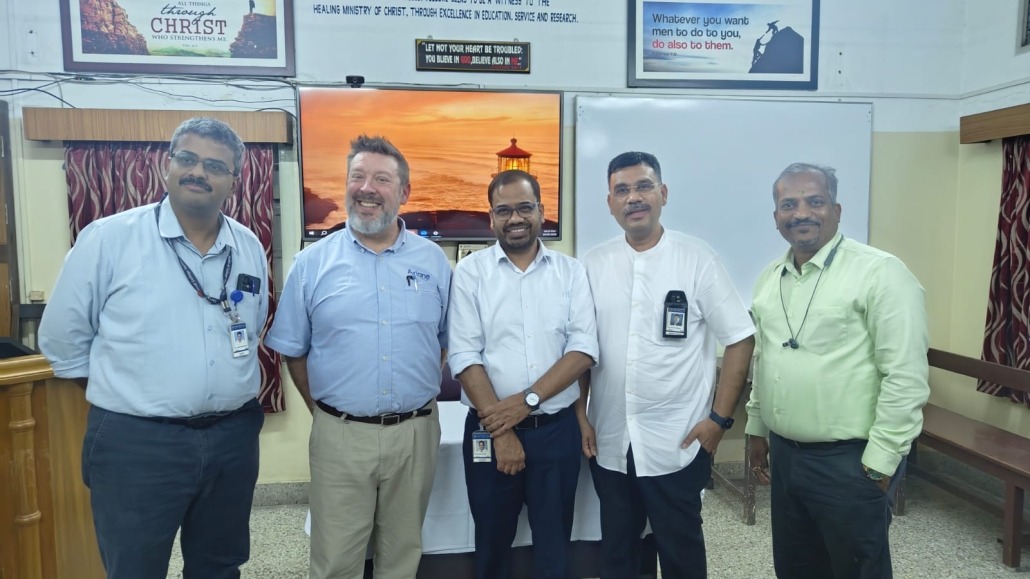
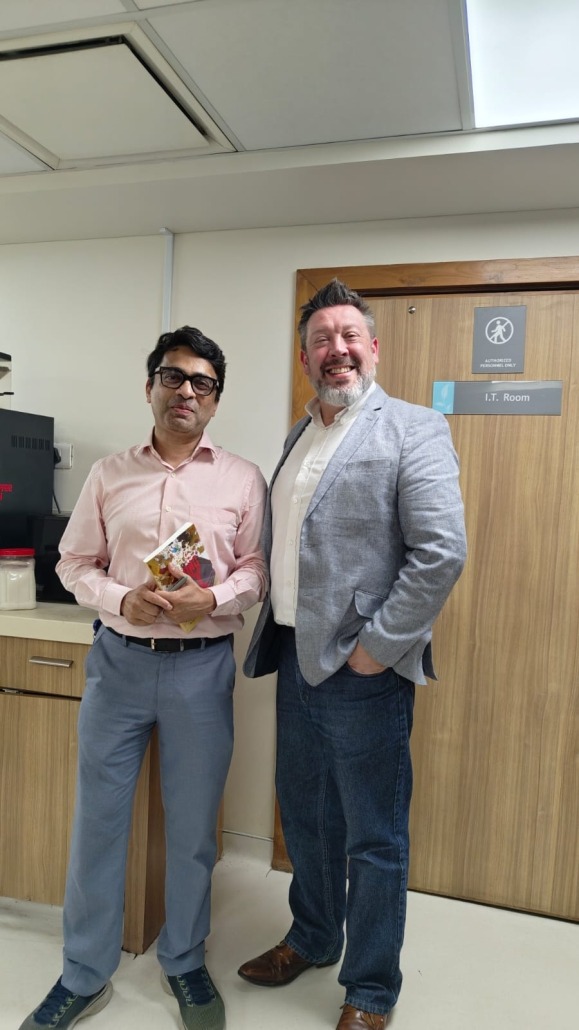
During a recent visit to Mumbai, Mark Davies-Cousins met with the team to strengthen collaboration and support the introduction of Papillon technology within the region.
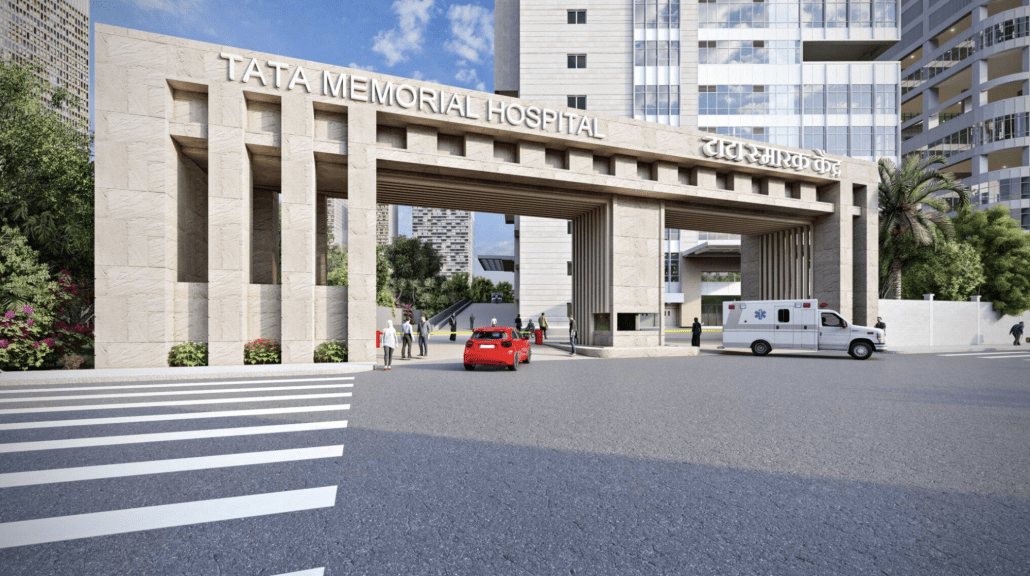
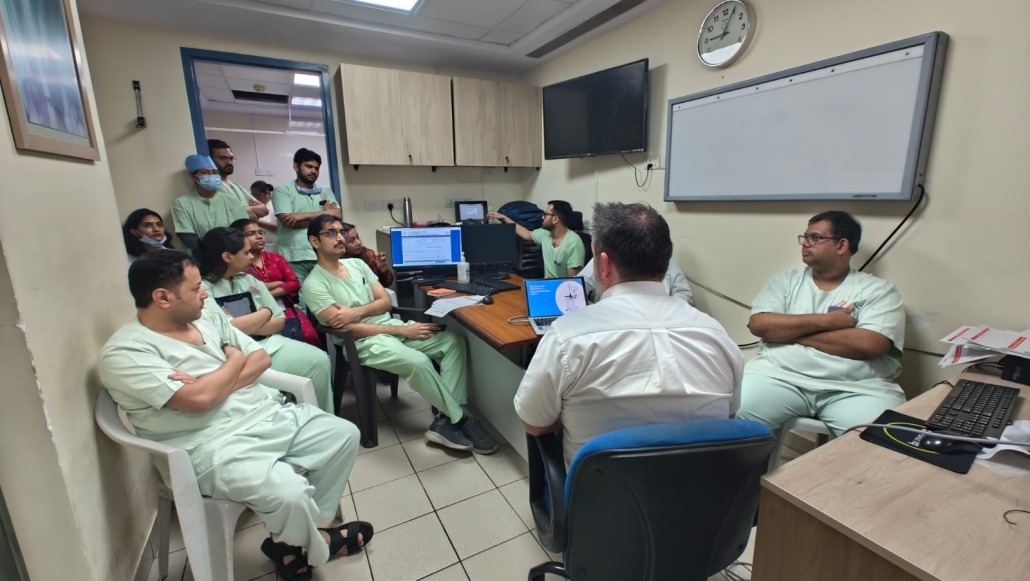
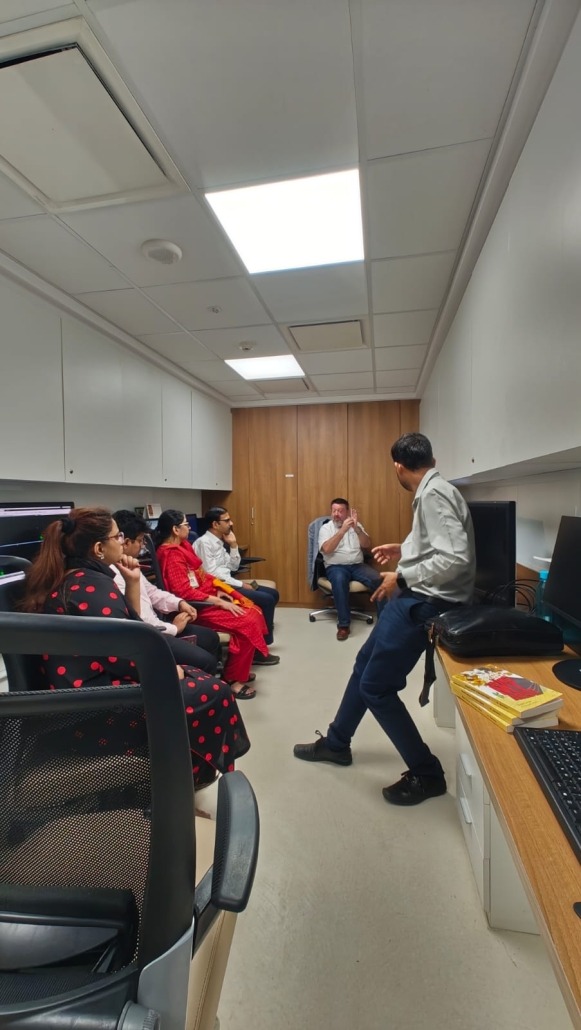
The visit also included a detailed clinical presentation on Papillon Contact X-ray Brachytherapy (CXB) at Tata Memorial Hospital, one of India’s leading cancer institutions.
The session was attended by Ashwin D’Souza andReena Engineer, alongside members of the surgical team and medical students, reflecting strong clinical interest in the technology.
This partnership marks an important step in expanding access to Papillon CXB and supporting the continued development of non-invasive treatment options within international healthcare settings.
https://www.arianemedicalsystems.com/wp-content/uploads/2026/04/TATA-Technicals.jpg9031600Ariane Medical Systemshttps://www.arianemedicalsystems.com/wp-content/uploads/2019/10/logo.pngAriane Medical Systems2026-02-03 10:50:412026-04-21 10:37:14New Commercial Partnership Established in India
Papillon CXB Clinical Engagement Across India & Sri Lanka
Mark Davies-Cousins – VP International Sales
Mark Davies-Cousins, VP International Sales at Ariane Medical Systems, recently completed an extensive clinical knowledge-sharing initiative across India and Sri Lanka, delivered between 29th January and 12th February 2026.
The programme formed part of Ariane’s ongoing commitment to supporting clinical education, strengthening partnerships, and expanding access to Papillon Contact X-ray Brachytherapy (CXB) technology across key international markets.
The visit began with participation in the Medical Fair India 2026 in New Delhi, before continuing with a series of clinical engagements across leading healthcare institutions.
India & Sri Lanka Itinerary 2026
10th – 12th February | Colombo, Sri Lanka
29th – 31st January | New Delhi Medical Fair India – Bharat Mandapam (Pragati Maidan)
1st – 3rd February | Mumbai Tata Memorial Hospital, Tata Cancer Care Foundation, Asian Cancer Institute, HN Reliance Hospital, Hinduja Hospital
4th February | Hyderabad Yashoda Hospitals, Omega Hospitals, AIG Hospitals
5th – 7th February | Chennai Apollo Hospitals, Cancer Institute Chennai, MIOT International Hospital, Christian Medical College (Vellore), AROI
9th February | Trivandrum Regional Cancer Centre
Across all locations, the initiative provided valuable opportunities to present Papillon CXB technology, discuss clinical applications, and engage directly with multidisciplinary teams, including radiation oncologists, surgeons, and medical physicists.
This programme highlights the growing international interest in non-invasive treatment approaches and reinforces Ariane Medical Systems’ commitment to supporting the global adoption of Papillon technology.
https://www.arianemedicalsystems.com/wp-content/uploads/2026/04/IO9.jpg1600900Ariane Medical Systemshttps://www.arianemedicalsystems.com/wp-content/uploads/2019/10/logo.pngAriane Medical Systems2026-01-30 11:05:052026-04-21 10:35:45Papillon CXB Clinical Engagement Across India & Sri Lanka
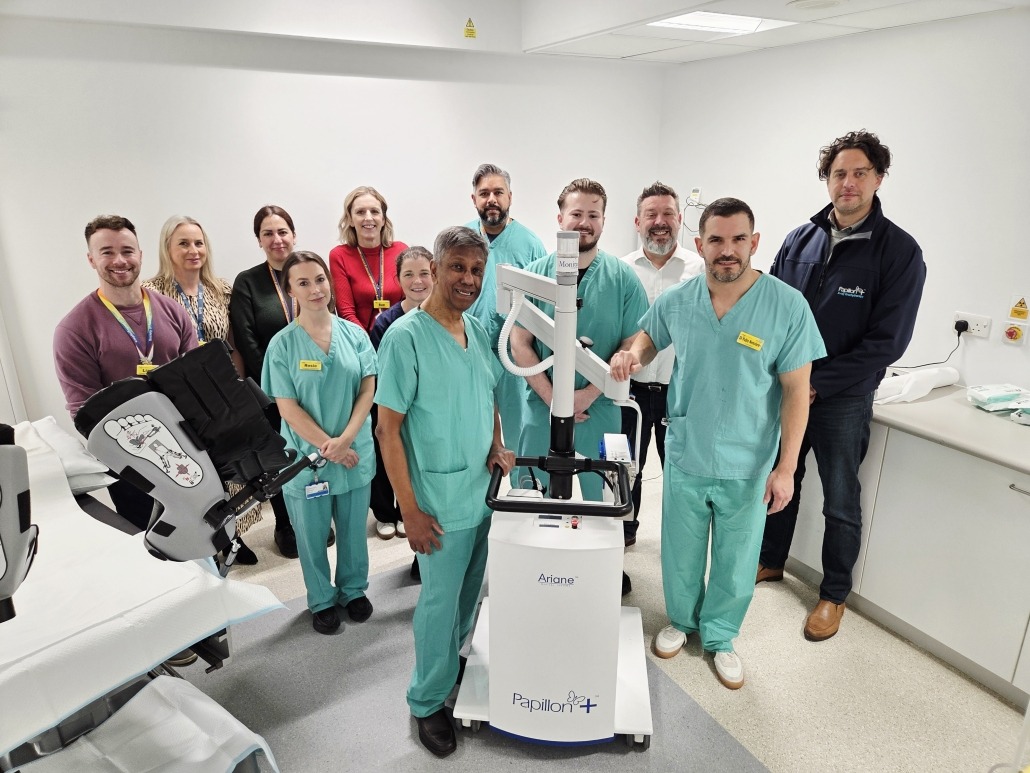
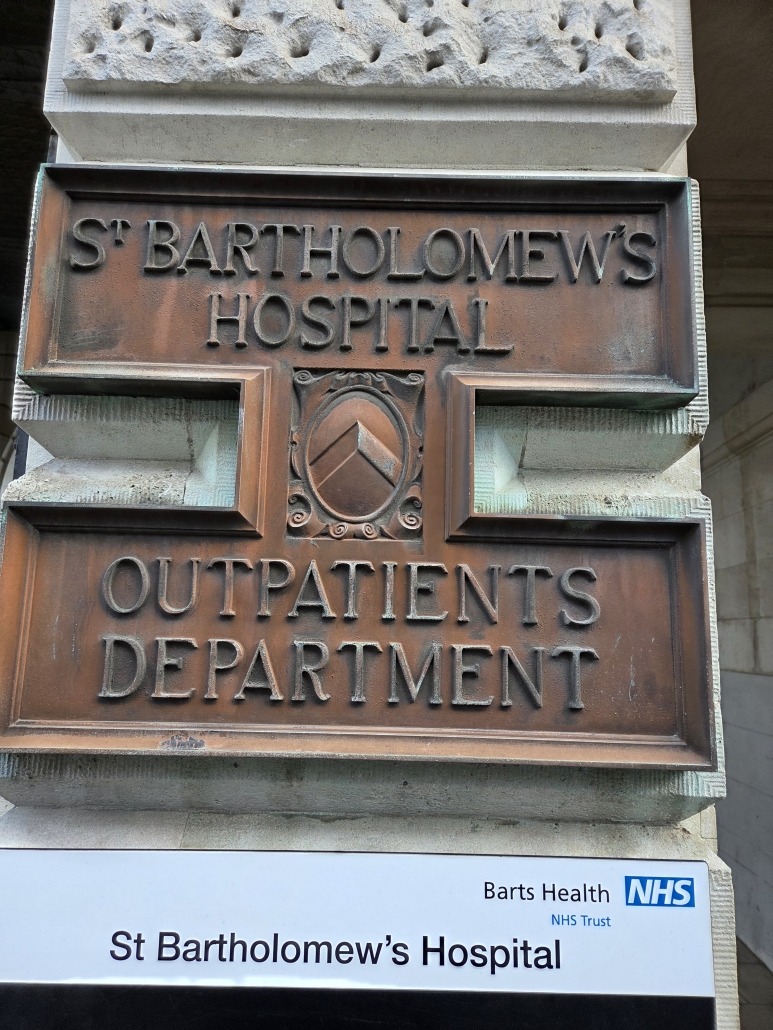
St Bartholomew’s Hospital has successfully delivered its first Papillon Contact X-ray Brachytherapy (CXB) patient treatments, marking a significant milestone in expanding access to this specialist therapy in the UK.
The first patients were treated onsite on 16th January 2026, enabling individuals with lower rectal cancer to access treatment within London for the first time, removing the need to travel to centres such as Liverpool or Hull.
The treatments were supported by Arthur Sun Myint from the Clatterbridge Cancer Centre, who worked alongside Pablo Neclares and the St Bartholomew’s clinical team to deliver the procedures.
While Papillon CXB has been available in the UK for nearly 30 years, with four established sites across England since 2014 and over 5,000 patients treated, St Bartholomew’s Hospital is the first centre in London to offer this technology, and the first new UK site to be introduced since 2014.
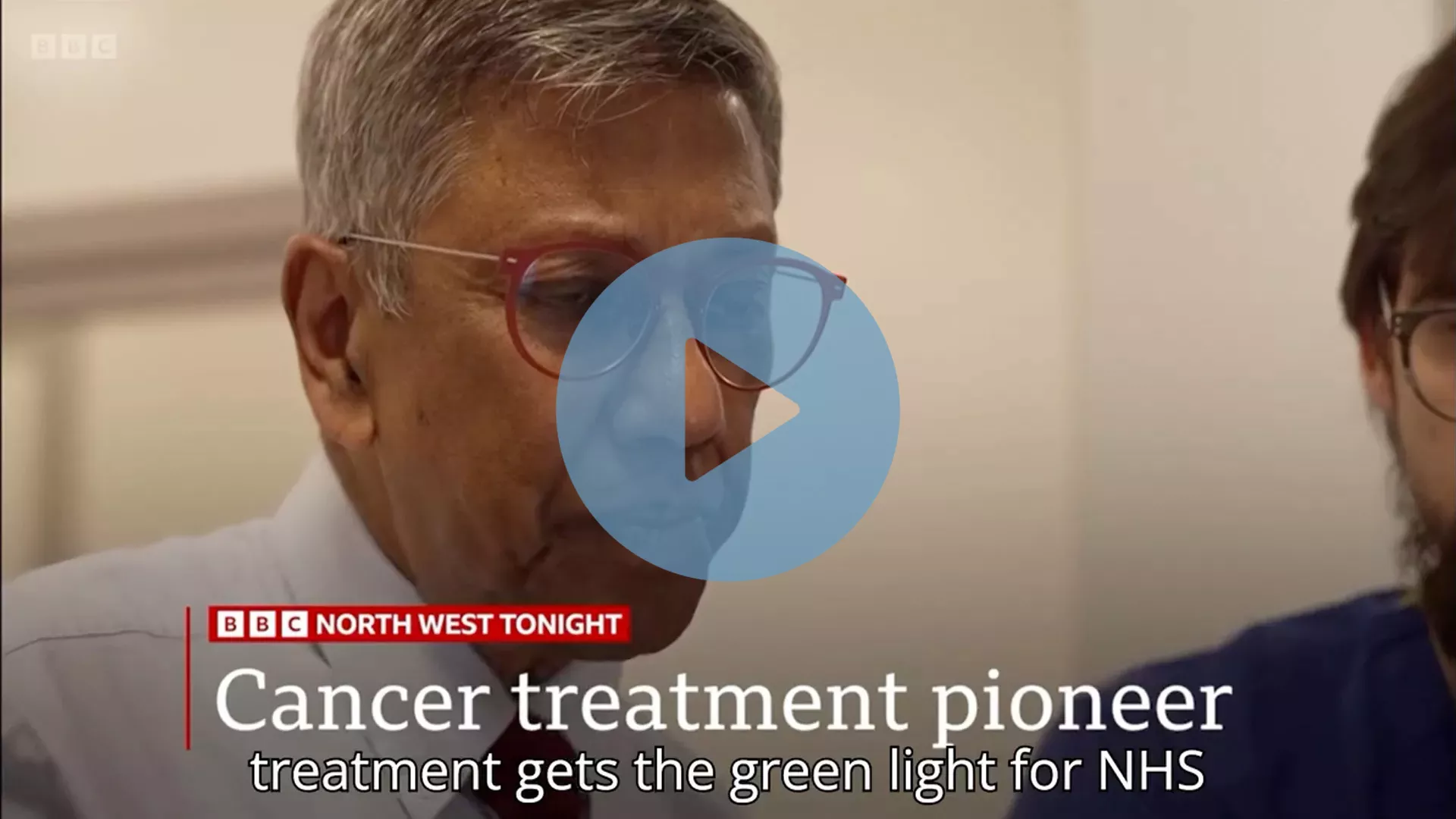
Following recent guidance from the National Institute for Health and Care Excellence (NICE) recommending Papillon CXB as a non-surgical treatment option for selected patients, interest in the technology has increased significantly both across the UK and internationally.
This milestone represents an important step forward in improving patient access to organ-preserving, non-invasive treatment options within the capital.
https://www.arianemedicalsystems.com/wp-content/uploads/2026/04/St-B-1-Team-scaled.jpg19202560Ariane Medical Systemshttps://www.arianemedicalsystems.com/wp-content/uploads/2019/10/logo.pngAriane Medical Systems2026-01-21 11:15:172026-04-21 10:31:23First Patient Treatments Delivered at New Centre of Excellence – St Bartholomew’s Hospital, London
Papillon CXB in the United States Redefining Rectal Cancer Care in North America
Interest in Papillon Contact X-ray Brachytherapy (CXB) is experiencing a strong resurgence across North America, driven by emerging clinical evidence and increased focus on organ-preserving treatment approaches.
Recent randomised clinical trials, including the OPERA Trial, have played a key role in reshaping clinical perspectives. Alongside this, guidance from the National Institute for Health and Care Excellence (NICE) in the UK has further reinforced confidence in Papillon CXB as a viable non-surgical option for selected rectal cancer patients.
While Contact X-ray Brachytherapy was first developed in the mid-20th century, its adoption was historically limited by the rise of conventional surgical approaches. Today, advances in technology and clinical understanding have positioned Papillon CXB as a sophisticated, non-invasive alternative—supporting organ preservation, improving patient quality of life, and offering favourable long-term healthcare economics.
Clinical trials and evaluation programmes are now underway at several leading centres of excellence across North America. Ariane Medical Systems is proud to collaborate with these institutions and looks forward to supporting the transition from clinical evaluation to broader implementation.
https://www.arianemedicalsystems.com/wp-content/uploads/2026/04/Screenshot-2026-04-20-at-11.14.54.png12681902Ariane Medical Systemshttps://www.arianemedicalsystems.com/wp-content/uploads/2019/10/logo.pngAriane Medical Systems2026-01-15 10:28:372026-04-21 10:29:10Papillon CXB in the United States
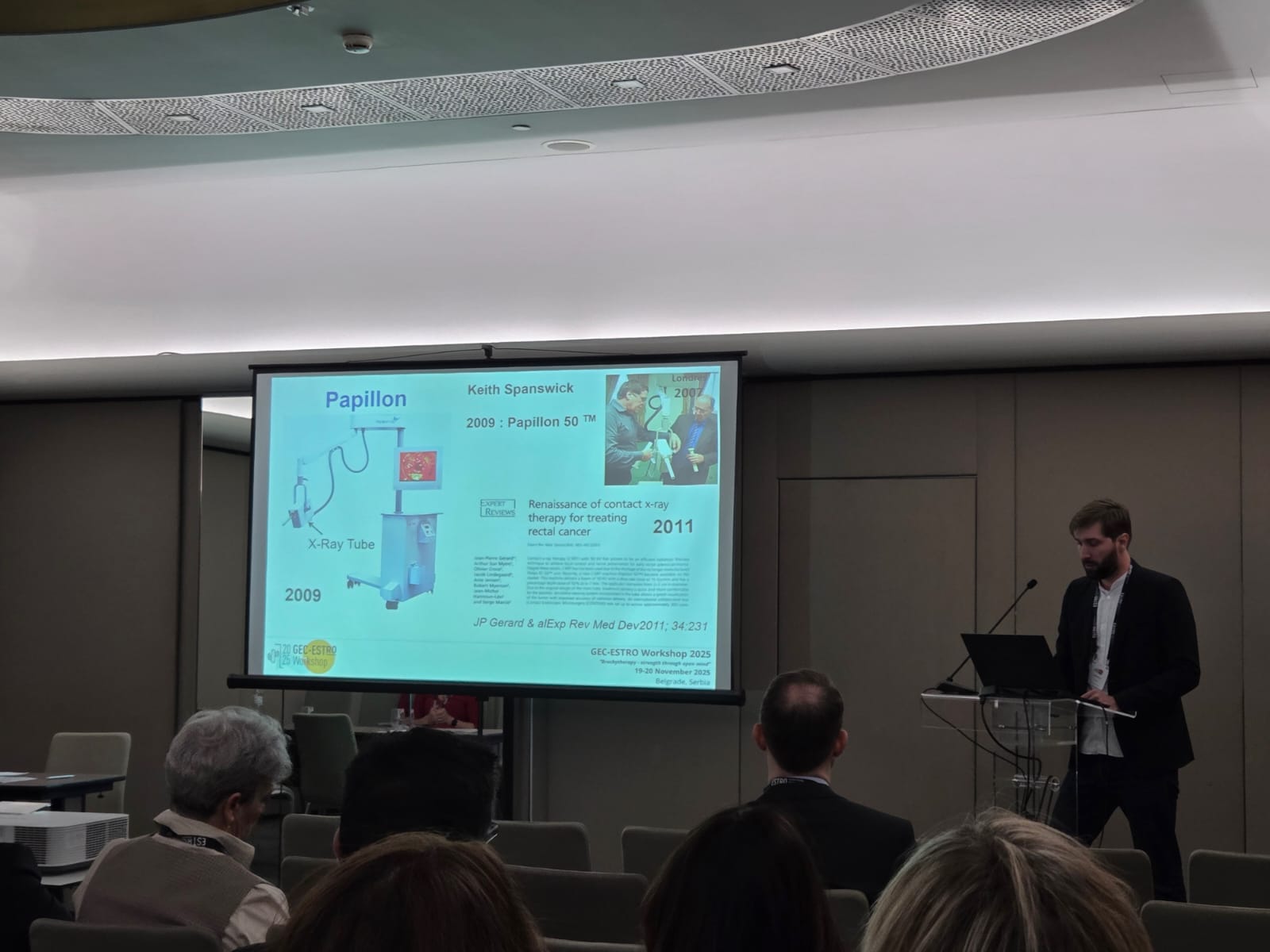
Dr Baron from Centre Antoine Lacassagne, Nice, giving 5 year results of OPERA Trial at this year’s GEC-ESTRO event in Belgrade.
https://www.arianemedicalsystems.com/wp-content/uploads/2025/12/GEC-11-1.jpeg12001600Ariane Medical Systemshttps://www.arianemedicalsystems.com/wp-content/uploads/2019/10/logo.pngAriane Medical Systems2025-11-20 09:22:002025-12-08 09:43:48GEC-ESTRO Belgrade
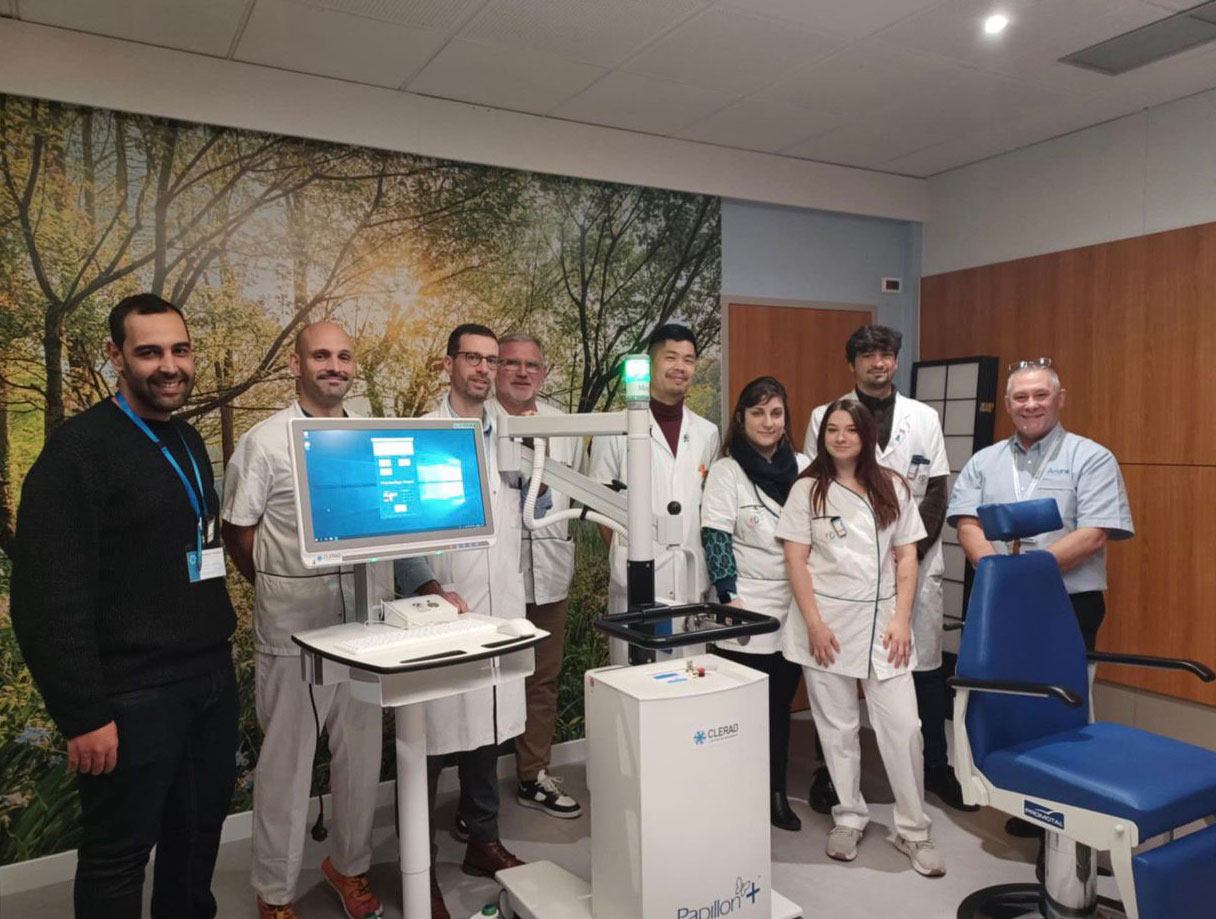
Peter Robinson (Ariane Service Manager) with the team at the Papillon+ installation at Chambray les Tours Hospital, France.
https://www.arianemedicalsystems.com/wp-content/uploads/2025/12/Chambray-1.jpg9191216Ariane Medical Systemshttps://www.arianemedicalsystems.com/wp-content/uploads/2019/10/logo.pngAriane Medical Systems2025-11-17 09:29:002025-12-08 09:35:03Chambray Installation
Landmark Approval: (NICE) the National Institute for Health and Care Excellence RecommendsLow Energy Contact X-ray Brachytherapy (CXB) for Targeted Locally Advanced Rectal Cancer, Revolutionizing Patient Choice and Care
ALFRETON DERBYSHIRE 13TH November 2025 – Ariane Medical Systems Ltd The National Institute for Health and Care Excellence (NICE) has up dated its 2015 recommendations on the use of Low Energy X-rays in the treatment of lower rectal tumours to include operable patients who have up to a T3a-b tumour.
This positive recommendation for the use of low-energy Contact X-ray Brachytherapy (often referred to as the Papillon technique) will potentially allow thousands of patients a chance to avoid a permanent stoma usually associated with early-stage and locally advanced rectal cancer.
This pivotal decision validates the Papillon technique as a credible and highly effective healthcare process, offering a significant and transformative addition to the treatment landscape for both patients and clinicians across the UK. Prioritising Organ Preservation and Quality of Life The NICE committee thoroughly reviewed a bank of evidence, recognizing the treatment’s capacity to deliver exceptional patient outcomes. Key efficacy outcomes considered included: improved quality of life, organ preservation, avoiding a permanent stoma, clinical response, survival, and recurrence rates.
The Papillon technique allows patients to often avoid major, life-altering surgery (Total Mesorectal Excision, TME), thereby dramatically improving patient choice and overall quality of life by preserving the rectum and sphincter function. Robust Clinical Efficacy An international trial, including 4 centres in the UK (OPERA trial), has validated CXB treatment for tumours up to 3 cm in circumference and then to be combined with existing External Beam radiotherapy and chemotherapy for tumours of up to 5 cm. This combination allows larger tumours to be shrunk and the Contact X-ray Brachytherapy to be applied as a boost, dramatically increasing the likelihood of complete clinical response and organ preservation in over 80% of patients (up to 96% for those with smaller tumours who have CXB first). This approach, backed up by clinical data from the international trial called OPERA, represents a significant step forward in the non-surgical management of locally advanced rectal cancer.
Prof Arthur Sun Myint on the Papillon patient Facebook page wrote: “This guidance will be a game changer in the management of rectal cancer. As you know, surgery has always been a gold standard of care for rectal cancer. Contact X-ray Brachytherapy (CXB) is only reserved for patients not suitable for surgery (IPG532). From today CXB can be used as an option to treat all patients who are fit and suitable for surgery with operable rectal cancer not beyond cT3b cN1 (which is the majority of patients). This will change practice”.
Impact on Health Economics Beyond the clinical benefits, the recommendation is expected to have a considerable impact on health economics, by offering a highly effective, minimally invasive treatment pathway that can reduce the reliance on complex, expensive surgical interventions and long-term stoma care, Papillon CXB offers substantial savings to the NHS while enhancing patient recovery and return to normal life.
This approval confirms the use of Contact X-ray Brachytherapy (Papillon technique) as a standard-of-care option, providing multidisciplinary teams with a validated, highly effective, non-surgical tool to manage locally advanced rectal cancer.
There are currently 4 UK locations offering this treatment with two further sites being commissioned early in the New Year.
Papillon CXB Papillon is named after Prof Papillon who developed the treatment in Lyon in the 1960’s and was popular as a palliative treatment or an option for those unable to have major surgery. The technique all but disappeared in the 1990s when the manufacture of the old Philips RT50 stopped with just 2 doctors continuing the treatment on behalf of patients- Prof Jean-Pierre Gerard, Nice, and Prof Sun Myint, Clatterbridge cancer centre UK.
In 2005 Ariane Medical Systems was approached to make a new Low Energy system to enable this treatment to survive. Although not NICE approved, Ariane did so and the first new Contact X-ray Brachytherapy system was rolled out in 2009. Ariane now has clinicians in hospitals around Europe using their Papillon+™ Contact X-ray Brachy system to offer patients a non-surgical option in the treatment of colorectal cancer.
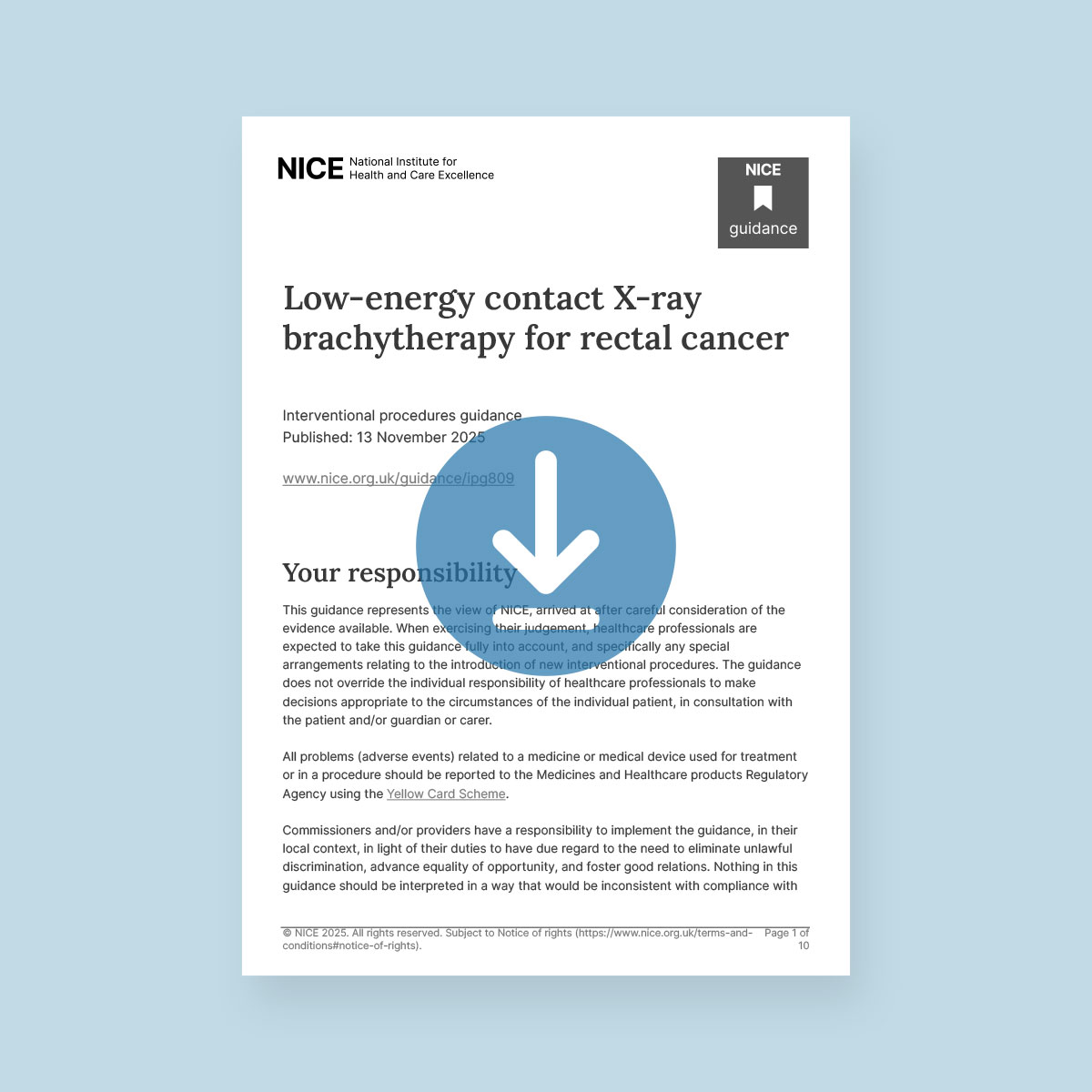
The final guidance for IP1724/2 – Low-energy contact X-ray brachytherapy for rectal cancer.
https://www.arianemedicalsystems.com/wp-content/uploads/2025/12/https-www.arianemedicalsystems.com-wp-content-uploads-2025-12-lowenergy-contact-xray-brachytherapy-for-rectal-cancer-pdf-1899878223673285-preview.jpg9191216Ariane Medical Systemshttps://www.arianemedicalsystems.com/wp-content/uploads/2019/10/logo.pngAriane Medical Systems2025-11-13 09:42:002025-12-09 09:36:47Papillon CXB Landmark Stamp of Approval
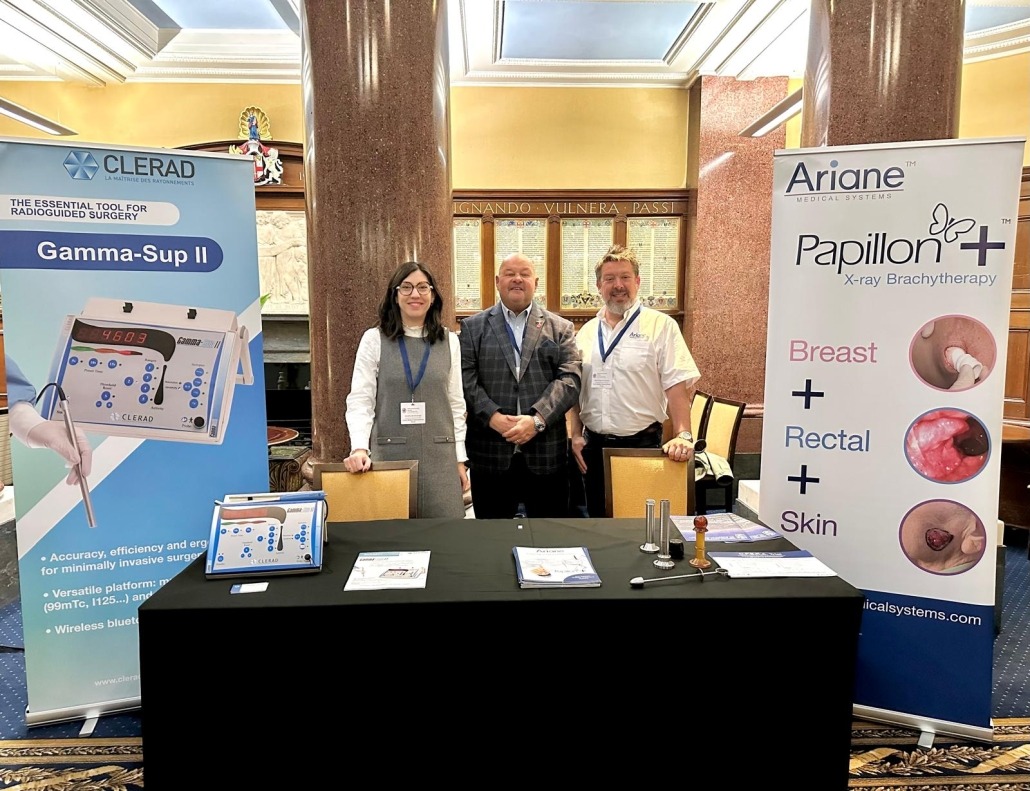
Hosted at the prestigious Grade II listed building venue in the heart of legal London, The Law Society is this year’s host building for the British Association of Surgical Oncology (BASO) event. Ariane seen here teaming up with our partners Clerad to promote their Sentinal Node detector Gamma Sup II.
https://www.arianemedicalsystems.com/wp-content/uploads/2025/12/Law-Soc-11-3-1.jpeg12291600Ariane Medical Systemshttps://www.arianemedicalsystems.com/wp-content/uploads/2019/10/logo.pngAriane Medical Systems2025-11-10 09:50:002025-12-08 09:53:53Promoting Innovation at The Law Society for the BASO Event
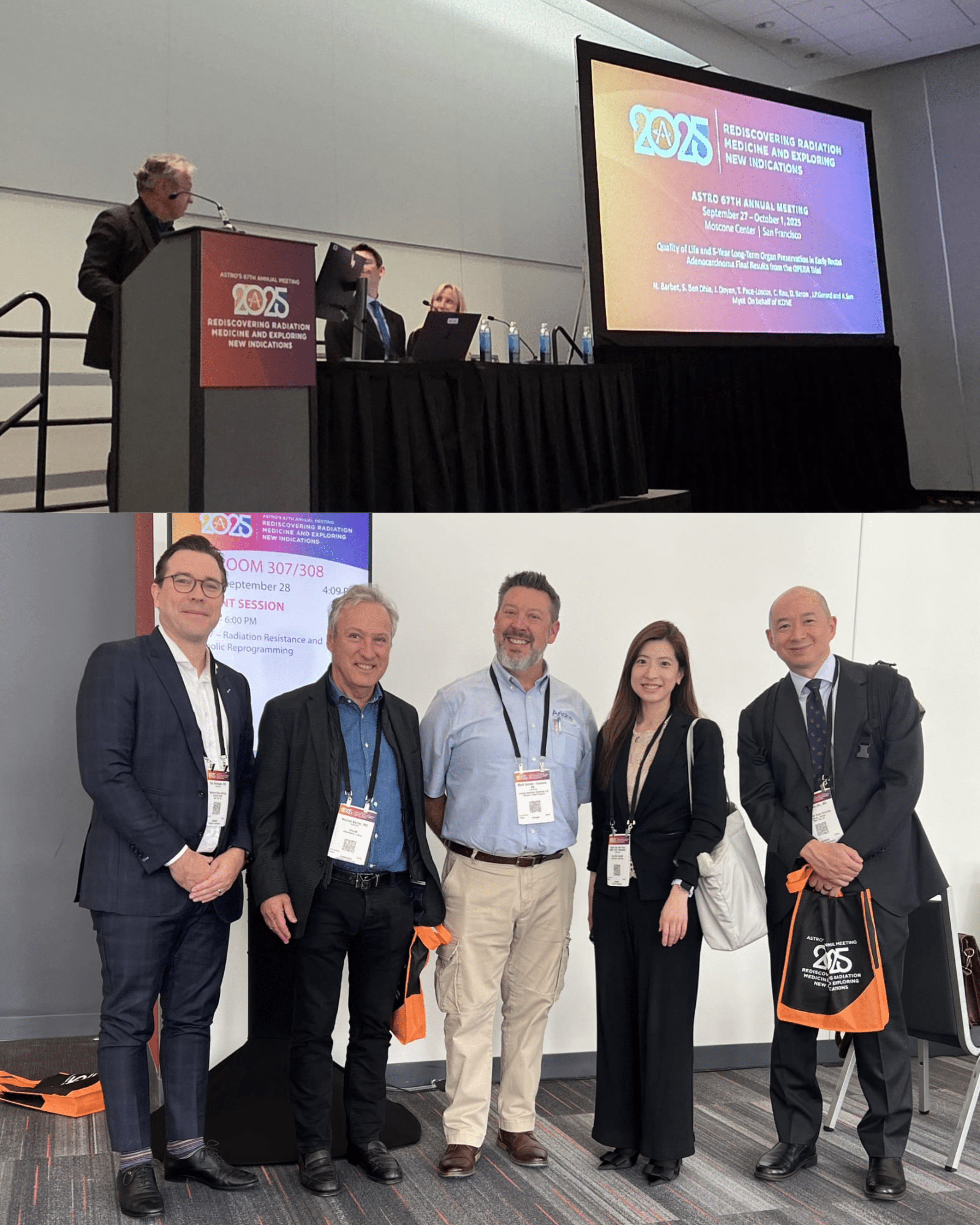
28 September – 1 October 2025 Moscone Centre, San Francisco
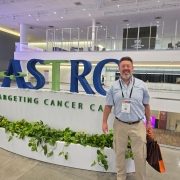
Ariane was proud to attend the American Society for Radiation Oncology (ASTRO) Annual Conference 2025, one of the world’s leading gatherings in the field of radiation oncology. Representing Ariane, Mark Davies-Cousins, VP International Sales, was on hand to connect with clinicians and partners from across the globe.
A highlight of the conference was an insightful presentation from Dr. Barbet (Macon & Villeurbanne), who shared a detailed update on the latest results from the OPERA trial, reinforcing the growing clinical evidence for Papillon CXB.
Mark also met with clinicians from New York and Hong Kong, both of whom will soon begin offering Papillon CXB as part of their planned cancer treatment programmes — a clear signal of the continued global expansion of this targeted therapy.
We are delighted to see Papillon CXB gaining momentum internationally and thank all partners and clinicians who continue to support and advocate for this innovative approach to cancer treatment.
For more information on Papillon CXB and its clinical applications, please contact:
https://www.arianemedicalsystems.com/wp-content/uploads/2025/10/SF-1.jpg12001600Ariane Medical Systemshttps://www.arianemedicalsystems.com/wp-content/uploads/2019/10/logo.pngAriane Medical Systems2025-10-03 10:16:102025-10-03 10:52:12Ariane at ASTRO 2025 – San Francisco
We may request cookies to be set on your device. We use cookies to let us know when you visit our websites, how you interact with us, to enrich your user experience, and to customize your relationship with our website.
Click on the different category headings to find out more. You can also change some of your preferences. Note that blocking some types of cookies may impact your experience on our websites and the services we are able to offer.
Essential Website Cookies
These cookies are strictly necessary to provide you with services available through our website and to use some of its features.
Because these cookies are strictly necessary to deliver the website, refusing them will have impact how our site functions. You always can block or delete cookies by changing your browser settings and force blocking all cookies on this website. But this will always prompt you to accept/refuse cookies when revisiting our site.
We fully respect if you want to refuse cookies but to avoid asking you again and again kindly allow us to store a cookie for that. You are free to opt out any time or opt in for other cookies to get a better experience. If you refuse cookies we will remove all set cookies in our domain.
We provide you with a list of stored cookies on your computer in our domain so you can check what we stored. Due to security reasons we are not able to show or modify cookies from other domains. You can check these in your browser security settings.
Google Analytics Cookies
These cookies collect information that is used either in aggregate form to help us understand how our website is being used or how effective our marketing campaigns are, or to help us customize our website and application for you in order to enhance your experience.
If you do not want that we track your visit to our site you can disable tracking in your browser here:
Other external services
We also use different external services like Google Webfonts, Google Maps, and external Video providers. Since these providers may collect personal data like your IP address we allow you to block them here. Please be aware that this might heavily reduce the functionality and appearance of our site. Changes will take effect once you reload the page.
Google Webfont Settings:
Google Map Settings:
Google reCaptcha Settings:
Vimeo and Youtube video embeds:
Other cookies
The following cookies are also needed - You can choose if you want to allow them:
Privacy Policy
You can read about our cookies and privacy settings in detail on our Privacy Policy Page.